What Is Xylitol? A Quick Chemical and Natural Overview
Xylitol belongs to a small family of three five‑carbon sugar alcohols. The other members of this group are arabitol and ribitol.
All three share the same carbon backbone length but differ in the arrangement of their hydroxyl groups.
In nature, xylitol is present only in trace amounts.
It can be found in a handful of foods, most notably plums, strawberries, cauliflower, and pumpkin.
Beyond these plant sources,
humans and many other animals produce minute quantities of xylitol as a by‑product of normal carbohydrate metabolism.
Because it is a sugar alcohol rather than a true sugar, xylitol’s chemical structure lacks the typical carbonyl group found in sugars.
This structural distinction gives it the same number of carbon atoms (five) while providing a different set of physical properties.
Recent Study Links Xylitol Consumption to Higher Cardiovascular Risk
A presentation delivered at the European Society of Cardiology (ESC) Annual Congress in Munich, Germany,

reported an association between xylitol consumption and incident cardiovascular events.
The findings were shared on August 28, 2026, during the world’s largest cardiology conference.
The study, titled “The association of Xylitol and incident cardiovascular events,
” suggests that intake of this common sugar substitute may be linked to higher risks of heart-related health issues.
The ESC meeting serves as a primary venue for presenting significant research in cardiovascular medicine.
By featuring this topic, the researchers highlighted the potential clinical relevance of dietary xylitol.
The presentation focused specifically on the correlation observed between consuming xylitol and the subsequent occurrence of cardiovascular events.
Key details from the report include:
- Event: European Society of Cardiology (ESC) Annual Congress
- Location: Munich, Germany
- Date: August 28, 2026
- Subject: Association of xylitol with incident cardiovascular events
The evidence provided is limited to the fact that this association was presented at the conference.
The specific methodology, sample size, statistical significance,
or magnitude of the risk increase is not detailed in the available information.
Furthermore, the causal mechanism behind this link remains unexplained in the current data.
No information is available regarding whether the study was observational or experimental,
nor are there details on the types of cardiovascular events measured.
Readers should note that this report represents a presentation of findings rather than a fully published peer-reviewed article with comprehensive data tables.
The connection between xylitol and cardiovascular risk is presented as an observed association.
Without access to the full study protocol or results,
it is not possible to confirm the strength of this link or its implications for daily dietary choices.
The report underscores the need for further investigation into the long-term effects of sugar substitutes on heart health.
Other Health Impacts: Dental Benefits and Safety Concerns
Xylitol is primarily utilized as a sugar substitute in manufactured products rather than serving as a common household sweetener.
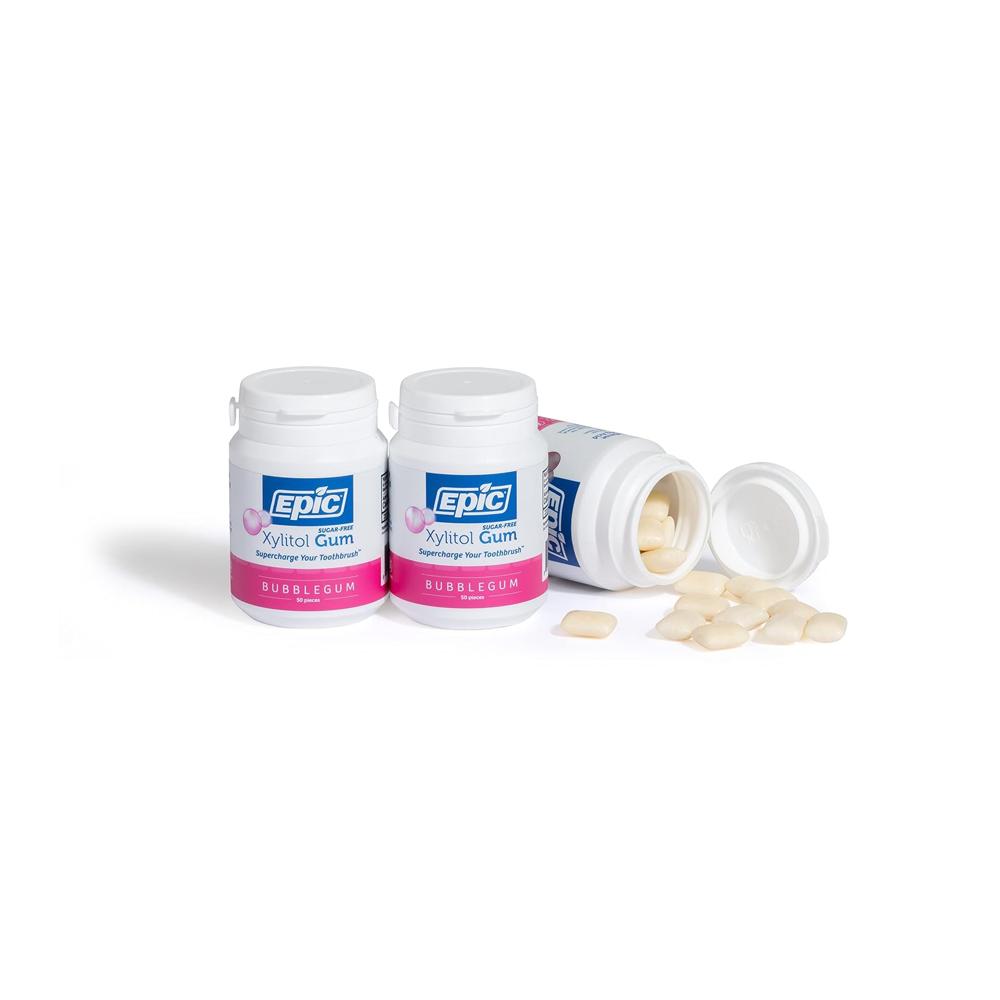
Its applications are specific and industrial, appearing in drugs, dietary supplements, confections, toothpaste, and chewing gum.
This targeted usage highlights its role in commercial formulations where its properties are leveraged for specific functional benefits,
distinct from general culinary use in home kitchens.
The dental benefits of xylitol are rooted in its interaction with oral bacteria.
It is described as a natural sweetener that inhibits the growth of cavity-causing bacteria.
Furthermore, it reduces acid production in the mouth.
These two mechanisms—suppressing bacterial proliferation and lowering acid levels—are central to its reputation in oral care products like toothpaste and gum.
By limiting the environment that fosters tooth decay, xylitol addresses the primary drivers of cavities.
However, the provided evidence does not detail specific safety concerns, dosage limits, or adverse reactions for humans.
While it is noted as a natural sweetener, there is no information regarding potential side effects, toxicity levels,
or contraindications for specific populations.
The scope of the available data is limited to its industrial applications and its mechanical effect on oral bacteria and acid production.
Key points regarding xylitol’s health impacts include:
- Industrial Use: Found in drugs, supplements, confections, toothpaste, and gum.
- Household Status: Not a common household sweetener.
- Dental Mechanism: Inhibits growth of cavity-causing bacteria.
- Acid Reduction: Lowers acid production in the oral environment.
Because the evidence is thin on safety profiles, no claims can be made about long-term health effects, digestive issues, or risks to pets,
which are often discussed in broader literature but are absent here.
The focus remains strictly on its function as a bacterial inhibitor and acid reducer in manufactured goods.
Readers seeking comprehensive safety guidelines must look beyond these specific facts,
as the current data does not confirm or deny any negative health outcomes associated with its consumption.
Choosing Safer Sweetener Alternatives
When evaluating sweetener options, it is important to distinguish between different chemical structures.
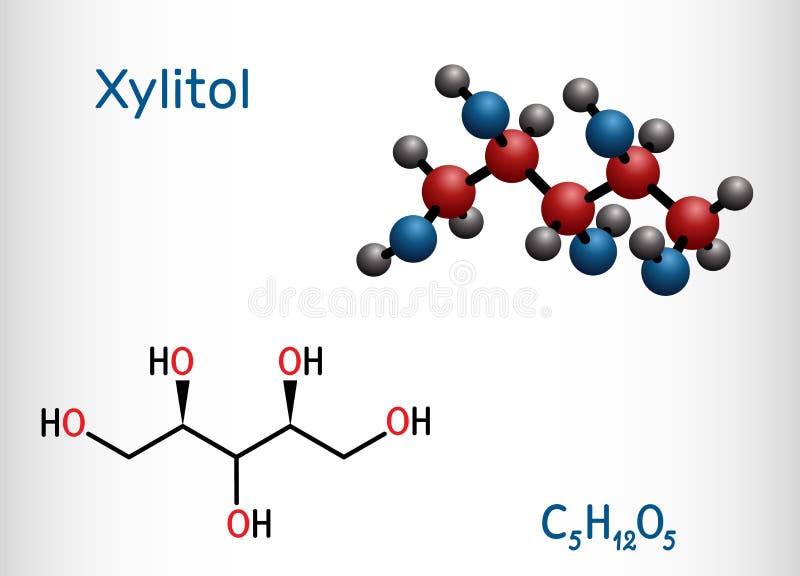
Many common sugar alcohols share similar properties, but xylitol stands out due to a specific molecular characteristic.
Unlike most other sugar alcohols, xylitol is achiral. This distinction is rooted in chemistry and refers to the molecule’s symmetry.
An achiral molecule is superimposable on its mirror image, meaning it lacks the “handedness” that characterizes chiral compounds.
This structural difference is a factual attribute of xylitol itself, independent of how it is processed or consumed.
Understanding this chemical nuance can be relevant for those seeking precise information about their sweeteners.
While many consumers focus on taste, calorie content, or digestive effects,
the underlying molecular geometry remains a constant scientific fact.
The achiral nature of xylitol is documented in chemical references and distinguishes it from its peers in the sugar alcohol family.
This property does not change based on brand, source, or formulation. It is an intrinsic feature of the substance.
For readers comparing alternatives, this detail adds a layer of technical clarity.
It highlights that not all sugar alcohols are chemically identical.
While this specific trait may not directly impact daily usage for most people, it serves as a key identifier in scientific contexts.
When choosing safer alternatives, having accurate, verified facts helps avoid confusion.
The evidence provided confirms only this structural difference.
No additional claims about health benefits, safety profiles, or metabolic reactions are included in this specific data point.
Therefore, the focus remains strictly on the chemical identity of xylitol as an achiral compound.
This precision ensures that information remains grounded in verified science rather than speculation.