Cubs Lose 4-3 to Brewers in a Heart‑Breaking Finish
The Chicago Cubs fell to the Milwaukee Brewers, 4-3, in a game that stretched into the 10th inning.
The final score, recorded on September 8, 2026, confirmed the Cubs’ loss in a tightly contested matchup.
While the broader narrative of the game remains limited by available data, the decisive moment is clearly documented.
The turning point came in the bottom of the 10th inning. Milwaukee Brewers player Luis Lara hit a walk-off RBI single.
This single base hit proved to be the difference-maker, securing the victory for the Brewers and ending the game.
Lara’s reaction to the hit was captured in the aftermath of the play.
Key facts from the game include:
- Final Score: Cubs 3, Brewers 4
- Date: September 8, 2026
- Deciding Play: Walk-off RBI single by Luis Lara in the 10th inning
Beyond these specific details, the evidence does not confirm other scoring plays, pitching performances,
or specific player reactions from the Cubs side.
The available records focus strictly on the final result and the specific action by Lara that concluded the contest.
No further context regarding the earlier innings or the overall game flow is provided in the source material.
The loss stands as a definitive result for the Cubs in this particular series.
The game ended with the Brewers taking the win,
a fact supported by the official game day recap and the specific account of the 10th-inning hit.
Without additional data, the story remains centered on that final swing and the resulting score.
Why Chicago’s Pitching Staff Can’t Close Out Games
The Chicago Cubs’ inability to secure victories in the final innings stems from a fundamental roster construction issue.
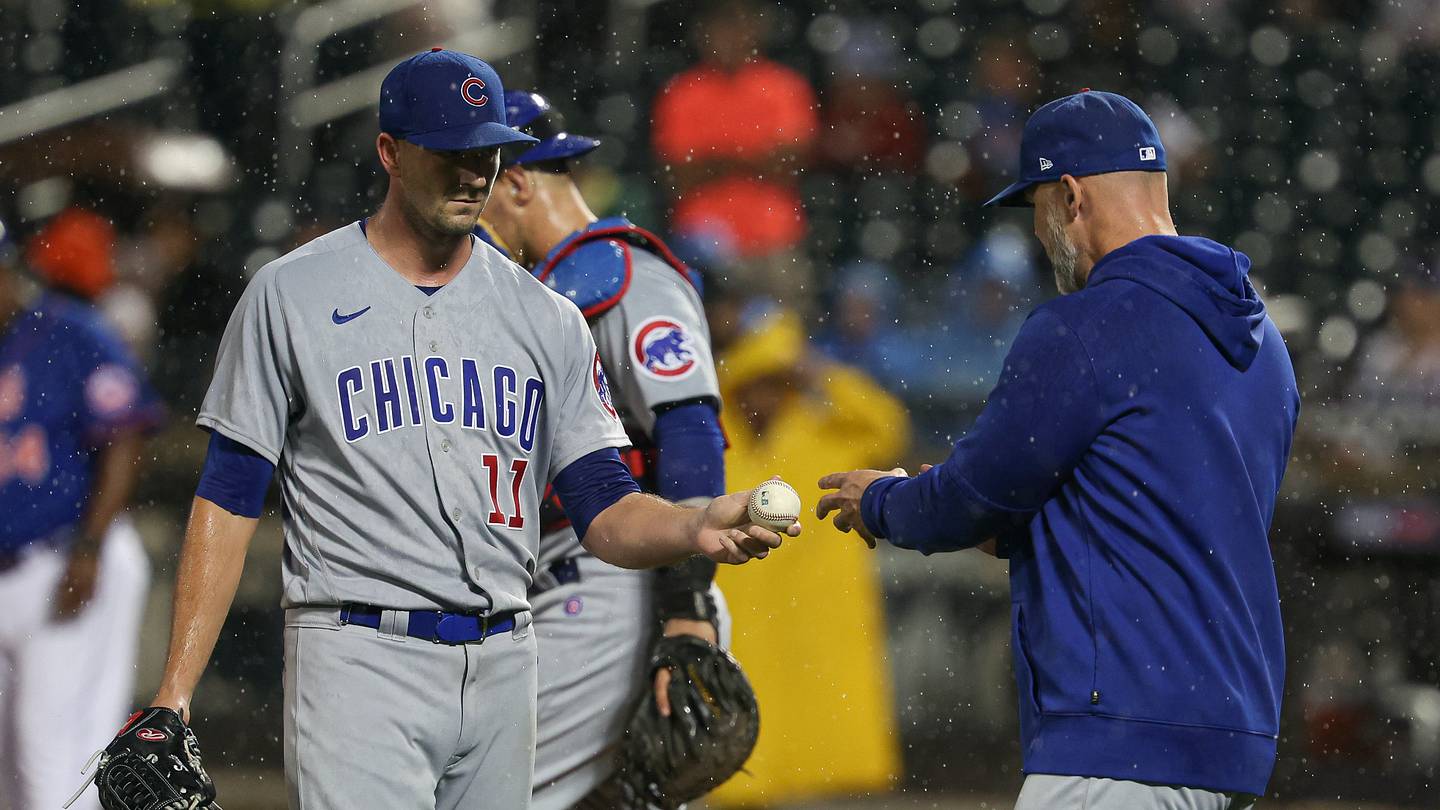
According to analysis of their division race, the team lacks a true ace or a traditional closer capable of pushing the game to the limit.
This structural deficit has become increasingly apparent as the season progresses,
leaving the club without the high-leverage arms necessary to protect narrow advantages against division rivals.
The statistical impact of this gap is stark.
In a recent 4-3 loss to the Milwaukee Brewers, the Cubs squandered two separate leads, 1-0 and 2-1.
These specific instances represented the 60th and 61st leads lost by the team during the current season.
The frequency of these blown opportunities underscores a systemic problem in late-inning execution rather than isolated incidents.
The absence of a definitive closer means the team cannot reliably shut down opposing offenses when the game is on the line.
Without a pitcher designated to handle the highest-pressure situations,
the Cubs are forced to rely on a rotation that does not include a dominant ace to shorten games or a specialist to finish them.
This lack of specialized late-inning talent has directly contributed to their inability to measure up to competitors like the Brewers in the race for the division title.
Key points regarding the pitching staff’s limitations include:
- No true ace or traditional closer on the roster.
- Sixty-one leads lost through the referenced game against Milwaukee.
- Specific failure to hold 1-0 and 2-1 advantages in the 4-3 defeat.
The evidence confirms that the current pitching configuration is insufficient for closing out tight games.
The team’s record of lost leads serves as a direct metric of this deficiency.
There is no indication in the available data that this trend is reversing or that new personnel have been acquired to address the closer void.
The situation remains defined by the lack of elite late-inning options,
a factor that continues to hinder their performance in critical moments.
Injury Updates and Roster Moves That Could Shift the Standings
The Chicago Cubs’ roster status remains a focal point for fans and analysts tracking the team’s competitive trajectory.
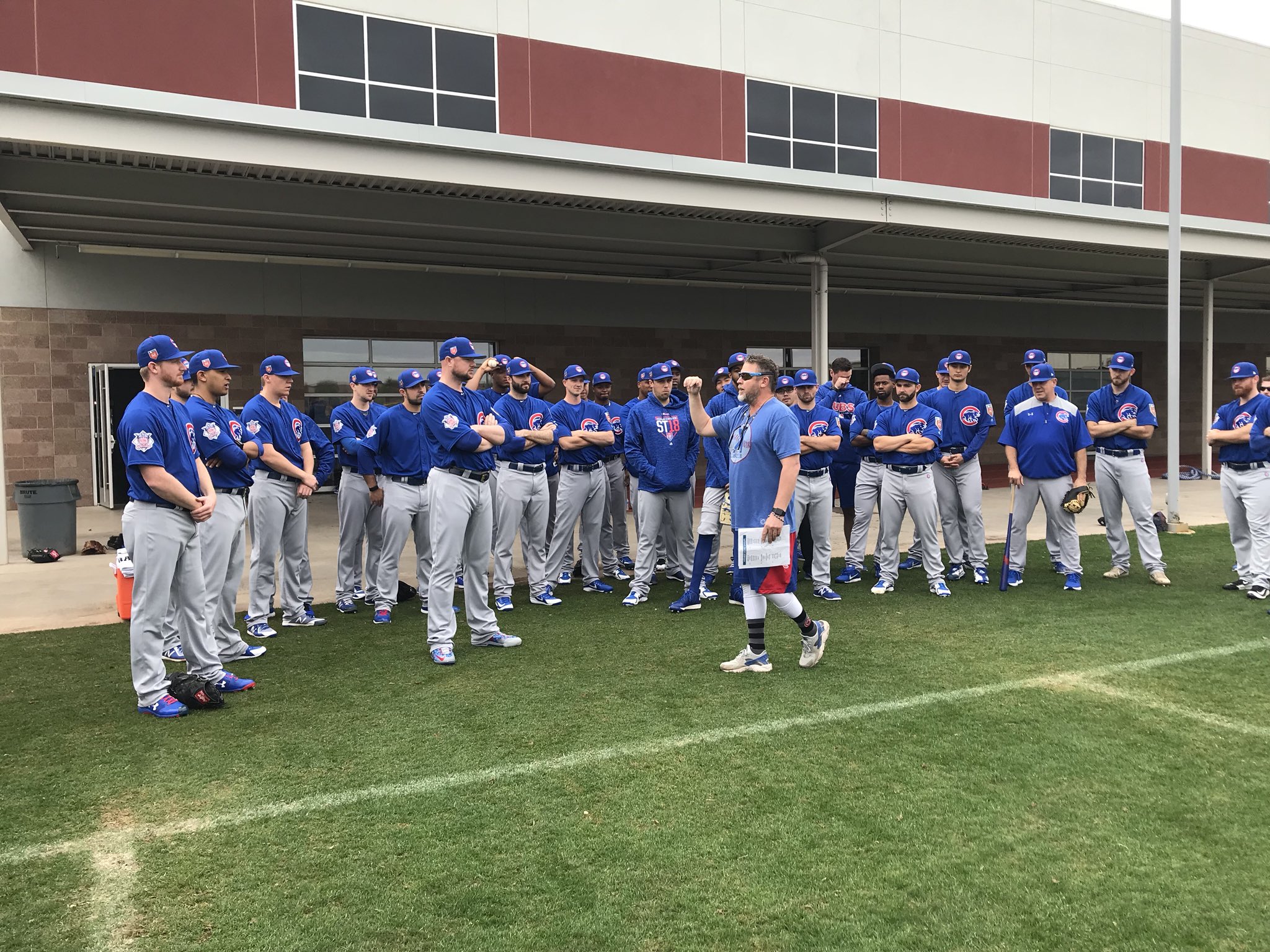
As of the most recent update on March 24,
the organization continues to manage a dynamic landscape of player health and transactional activity.
The primary source for these developments is the official MLB. com news hub, which aggregates injury reports and roster moves in real time.
Recent transaction logs from September highlight the ongoing nature of these roster adjustments.
While the specific details of individual player conditions are not fully elaborated in the available summary,
the presence of updated injury news indicates active management of the 40-man roster.
These moves are critical for maintaining depth and addressing immediate needs as the season progresses.
Key points to monitor include:
- The latest injury updates posted on March 24.
- Transactional activity recorded in September.
- Official reports sourced directly from MLB.com.
It is important to note that the provided evidence does not specify which players are currently injured or the exact nature of their ailments.
Similarly, the specific details of the September transactions, such as trades, waivers, or minor league assignments,
are not detailed in the current summary.
Consequently, any analysis of how these moves might shift the standings remains speculative without further confirmed data.
The absence of specific player names or injury timelines limits the ability to assess the immediate impact on the team’s performance.
Fans are advised to consult the official MLB. com news page for the most current and detailed information.
The Cubs’ front office continues to navigate the complexities of roster management, balancing health concerns with strategic decisions.
Until more comprehensive data is released,
the full scope of these roster moves and their potential effect on the team’s standing remains unconfirmed.
The focus remains on the official channels for verified updates,
ensuring that any speculation is grounded in factual reporting rather than unverified rumors.
Division Race Snapshot: How the Loss Impacts Chicago’s Standing
The Cubs entered the weekend with a 23‑28 record, a mark that already places them well below . 500 in the NL Central.
The loss to Milwaukee, 4‑3, extended Chicago’s skid to eight straight defeats, a streak that began in early August.
That run of losses has pushed the Cubs further behind the division leader and tightened the gap with the Brewers,
who now sit a game ahead in the standings.
Because the Cubs have not won a game since early August, each additional defeat compounds the difficulty of climbing back into contention.
An eight‑game losing streak means the team is falling behind not only in wins but also in the crucial “games behind” column that determines playoff positioning.
The recent loss also underscores a pattern highlighted by the game recap: manager Craig Counsell left his starting pitcher in too long,
a decision that contributed to the narrow defeat.
The immediate impact is a widening margin between Chicago and the Brewers, who maintain a slight edge in the NL Central.
For the Cubs, the combination of a sub‑.
500 record and a prolonged losing streak makes the path to a postseason berth increasingly steep,
requiring a rapid turnaround to close the gap.