Why Publix Is a Smart Choice for Budget‑Savvy Shoppers
Publix Super Markets, Inc., operating under the brand name Publix, is an American supermarket chain headquartered in Lakeland, Florida.
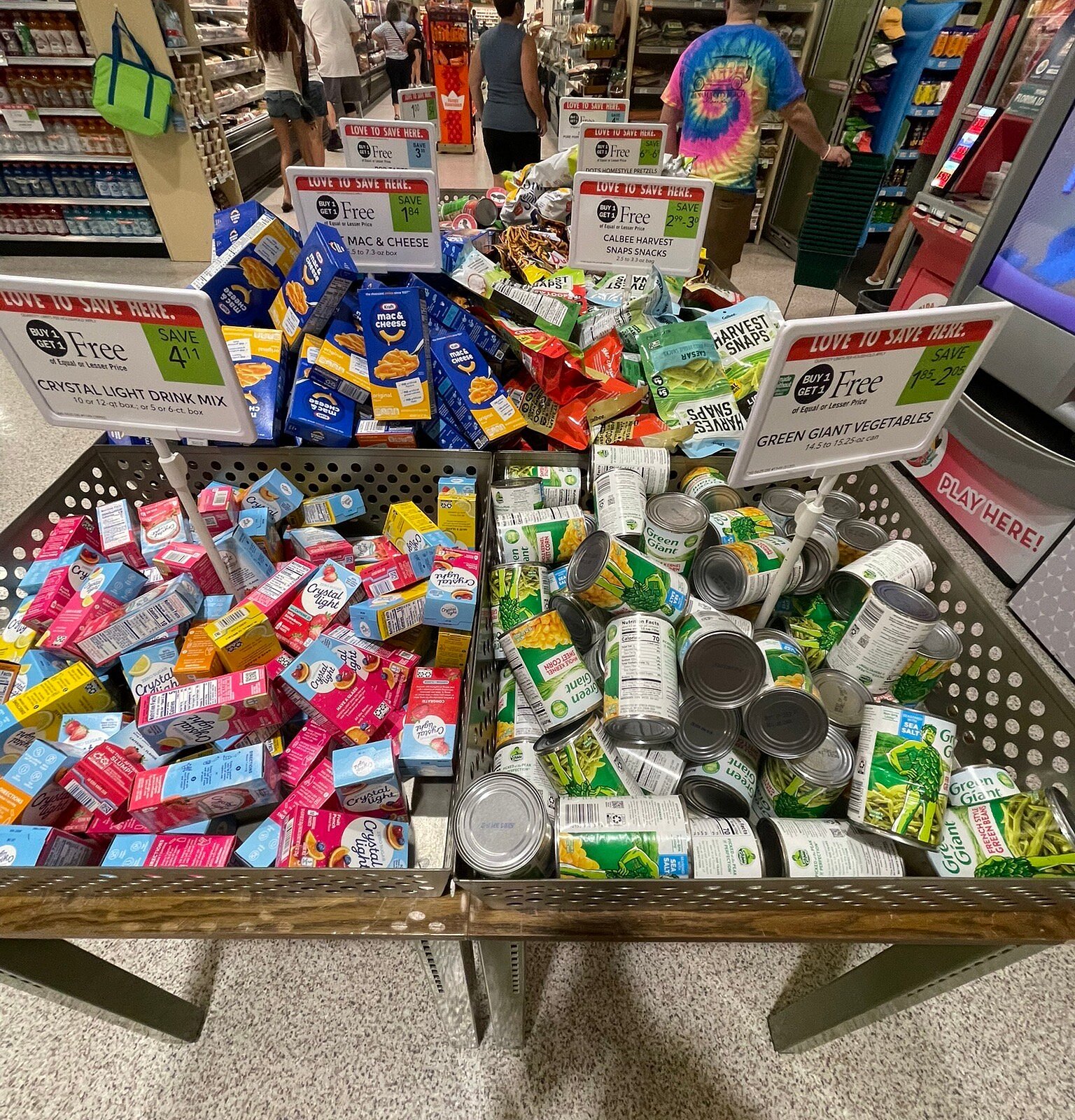
A defining characteristic of the company is its employee-owned structure,
which distinguishes it from many competitors in the grocery sector.
This ownership model has been a central part of the company’s identity since its inception.
The company’s history provides context for its current market position.
Since 1930, Publix has expanded from a single store into the largest employee-owned grocery chain in the United States.
This growth trajectory highlights the scale at which the employee-owned model has operated over nearly a century.
For budget-savvy shoppers, understanding the structural facts of Publix is essential,
though the provided evidence does not detail specific pricing strategies, discount programs, or cost-saving features.
The available information confirms the following key facts:
- Corporate Identity: Publix Super Markets, Inc.
- Headquarters: Lakeland, Florida.
- Ownership Model: Employee-owned.
- Market Status: Largest employee-owned grocery chain in the U.S.
- Founding Year: 1930.
The evidence does not confirm specific savings amounts, coupon policies, loyalty rewards,
or comparative price advantages against other retailers.
Consequently, any claim regarding specific budget benefits must be treated as unverified based on the current data.
The focus remains on the company’s structural attributes and historical growth rather than consumer-facing financial metrics.
Shoppers interested in the employee-owned aspect may find this structural detail relevant,
but direct cost implications are not specified in the available records.
The company’s presence as a major chain suggests widespread availability,
but specific store locations or regional pricing variations are not detailed.
The information provided serves to establish the corporate framework and historical context of Publix,
rather than offering a detailed analysis of its pricing strategy or value proposition for individual consumers.
Where to Find Publix Stores in the Southeast
Publix has a strong presence throughout the southeastern United States,
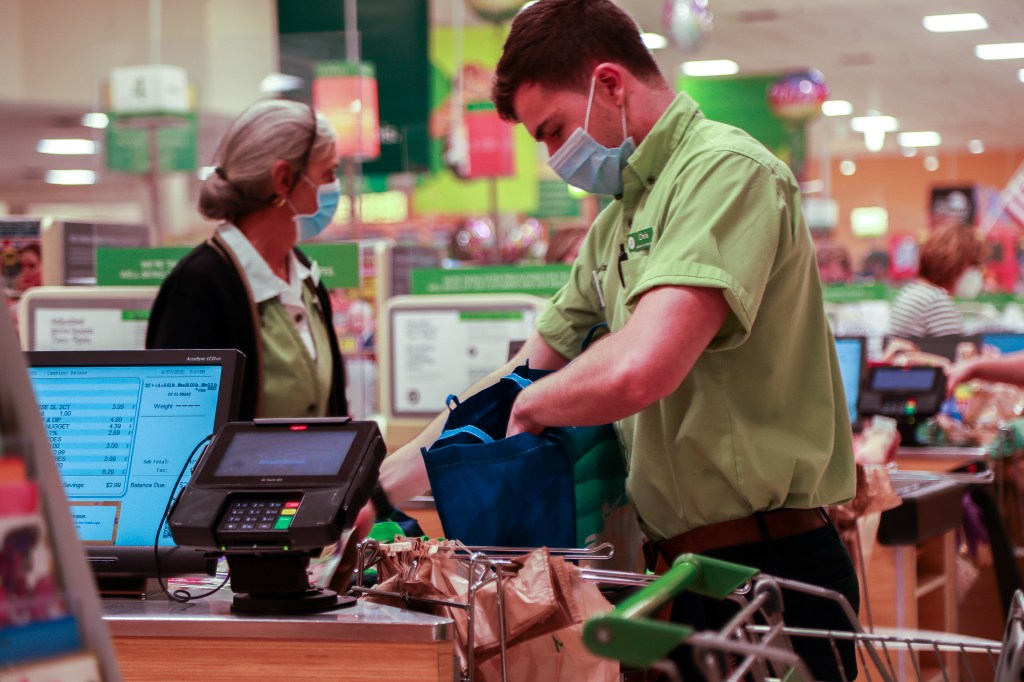
with a dense network of stores that serves a wide range of communities.
The chain’s footprint includes:
- Florida – 898 locations
- Georgia – 219 locations
- Alabama – 96 locations
- South Carolina – 74 locations
- Tennessee – 62 locations
- North Carolina – 62 locations
These numbers reflect the company’s focus on the region,
where it has expanded from its origins in Florida to become one of the largest grocery retailers in the South.
The distribution of stores is uneven, with Florida hosting the majority of locations, followed by Georgia.
The other states—Alabama, South Carolina, Tennessee, and North Carolina—also maintain a substantial presence,
ensuring that most residents in these areas have convenient access to Publix supermarkets.
How Publix’s Employee‑Ownership Model Benefits You
Publix operates as a private corporation with a distinct ownership structure.
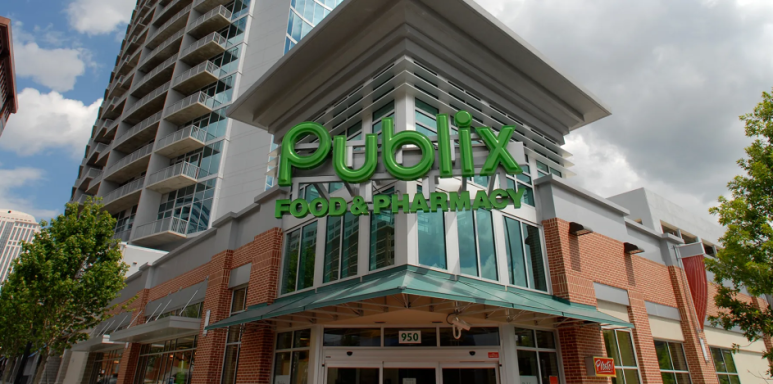
The company is wholly owned by present and past employees, along with members of the Jenkins family.
This model sets Publix apart from many other major retail chains that are publicly traded or owned by external shareholders.
The employee-ownership framework is a foundational element of the company’s identity.
By holding ownership stakes, current and former workers have a direct stake in the business’s performance.
This structure aligns the interests of the workforce with the long-term success of the organization.
Key aspects of this ownership model include:
- Private Corporation Status: Publix is not publicly traded on stock exchanges.
- Employee Ownership: Shares are held by current and past employees.
- Family Involvement: The Jenkins family, who founded the company, retains ownership interests.
Founded on September 6, 1930, in Winter Haven, Florida, Publix has maintained this private, employee-owned structure for over nine decades.
The company operates in the retail industry, with locations such as the store in Farragut, Tennessee,
serving as examples of its widespread presence.
The evidence confirms the structural details of ownership but does not provide specific financial data regarding individual employee shares or dividend distributions.
There is no information available regarding the specific percentage of ownership held by employees versus the Jenkins family.
Additionally,
the provided sources do not detail the specific mechanisms by which employees acquire shares or the voting rights associated with this ownership.
While the model suggests a close relationship between the company and its workforce,
the exact operational implications for daily management or customer service protocols are not specified in the available records.
The focus remains on the legal and structural definition of the company as a private, employee-owned entity.
This structure has persisted since the company’s inception, indicating a long-standing commitment to this particular business model.
The lack of public trading means that Publix is not subject to the same quarterly reporting requirements as public companies.
This allows for a focus on long-term stability rather than short-term market fluctuations.
However, specific strategies for maintaining this stability are not detailed in the current evidence.
The company’s trade name remains Publix, and it continues to operate under this established framework.
Maximizing Savings: Publix Loyalty and Discount Programs
The evidence provided does not contain any information about Publix’s loyalty or discount programs.
Therefore, no details can be confirmed regarding how these programs work, what rewards are offered,
or how customers can maximize savings through them.
Staying Safe: Recent Product Recalls and How to Check
Publix issued a recall for its GreenWise Organic Frozen Whole Blueberries later in the month.
This action followed reports from the Food and Drug Administration linking the product to E. coli illnesses.
The FDA stated that the number of confirmed illnesses associated with these frozen blueberries had risen to 17.
The recall encompasses all bags of GreenWise Organic Frozen Whole Blueberries sold by the grocery chain.
Consumers who have purchased this specific product are advised to check their freezers immediately.
The primary concern is the potential presence of E. coli, a bacteria that can cause serious foodborne illness.
To verify if you have the affected product, look for the GreenWise brand label on frozen blueberry packages.
The recall applies specifically to the “Organic Frozen Whole” variety.
Other frozen fruit products or non-organic blueberries from Publix are not mentioned in this specific recall notice.
If you have the recalled product, do not consume it.
The standard procedure for recalled food items is to either throw them away or return them to the store for a refund.
However, specific refund instructions or return policies were not detailed in the initial recall announcement.
The FDA continues to monitor the situation as the number of illnesses rises.
Public health officials are working to trace the source of the contamination.
Until further notice, consumers should avoid purchasing or eating GreenWise Organic Frozen Whole Blueberries from Publix.
It is important to note that this recall is specific to the GreenWise brand and the frozen whole blueberry product.
Other Publix products are not currently under recall for this issue.
Consumers should remain vigilant and check for any additional updates from the FDA or Publix regarding food safety.
The rise in E. coli illnesses to 17 cases underscores the seriousness of the situation.
Foodborne illnesses can lead to severe health complications, particularly for vulnerable populations such as young children, the elderly,
and those with weakened immune systems.
While the exact distribution dates and lot numbers were not provided in the brief evidence,
the recall covers all GreenWise Organic Frozen Whole Blueberries.
This broad scope suggests a widespread contamination issue rather than an isolated batch problem.
Consumers are encouraged to stay informed through official FDA channels and Publix announcements.
Checking product labels and staying updated on recall notices is a critical step in ensuring food safety at home.
Quick Tips for a Cost‑Effective Publix Shopping Trip
Publix shoppers can find the company’s products alongside those from Target, Whole Foods, Kroger, Walmart, and Wegmans.
This means you can compare prices and look for promotions across multiple retailers in one trip.