What the USCIS Bribery Scandal Means for Legal Risk
The recent USCIS bribery scandal centers on a former U. S.
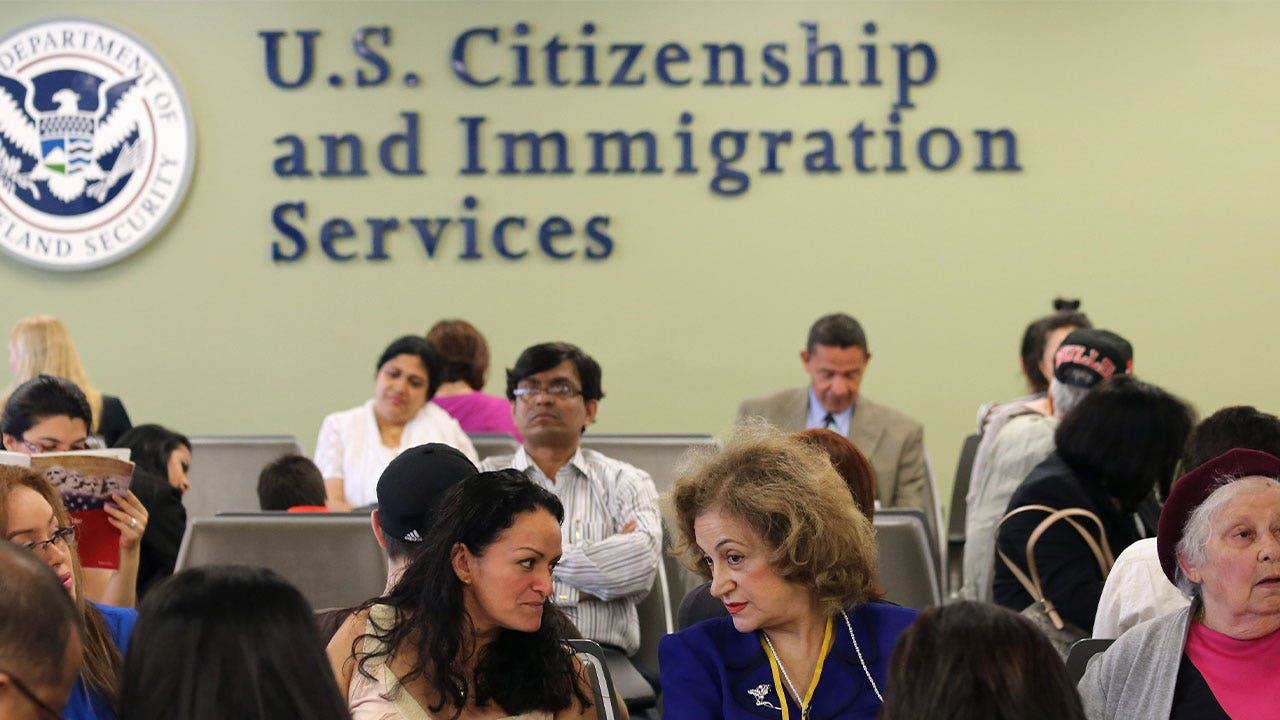
Citizenship and Immigration Services official who was charged with accepting bribes in exchange for green cards and citizenship approvals.
According to the report,
the individual allegedly solicited payments from applicants seeking expedited processing of their immigration benefits.
The case highlights a breach of federal law and the integrity of the immigration adjudication system.
Key points from the investigation include:
- The official was accused of offering preferential treatment to applicants who paid undisclosed fees.
- Charges were filed after evidence surfaced that the official had facilitated the approval of several green card applications in return for bribes.
- The case underscores the vulnerability of immigration benefits to corruption and the potential for individuals to exploit the system for personal gain.
The scandal raises significant legal risks for both the agency and its employees. It signals that:
- USCIS officials may face criminal liability for misconduct.
- Applicants who engage in bribery risk severe penalties, including fines and imprisonment.
- The agency must strengthen oversight and compliance measures to prevent future abuses.
The incident serves as a cautionary tale about the importance of ethical conduct within federal agencies and the serious consequences of violating the law.
Dropping a Bribery Charge: Why One Article Can Still Convict
The prosecution’s strategy to streamline the trial has focused on whether to drop the third impeachment article,

which accuses Vice President Sara Duterte of bribery.
This article alleges that she accepted monetary gifts or payments from Department of Education officials while serving as education secretary.
The decision to eliminate this charge would not prevent a conviction, according to prosecution counsel Benjamin “Jay” Tolosa Jr.
He explained that a single article—whether the bribery one or another—would suffice for a guilty verdict in the impeachment proceeding.
The prosecution’s stance is that the bribery allegation, if dropped, would leave the remaining articles intact.
These remaining articles already carry sufficient evidence to meet the burden of proof required for conviction.
Tolosa emphasized that the legal framework for impeachment does not mandate that every alleged offense be prosecuted; instead,
the presence of any one article that meets the threshold is enough to secure a conviction.
This approach reflects a broader judicial strategy to reduce procedural delays while maintaining the integrity of the impeachment process.
By focusing on the most critical elements of the case,
the prosecution aims to expedite the trial without compromising the likelihood of a verdict.
International Lens: Bribery Indictments in the U.S. and Beyond
In September 2025, a grand jury issued an eight‑count indictment against former Oakland Mayor Sheng Thao, businessman Michael Jones,

and the Duong couple.
The charges allege a range of bribery‑related offenses, including the acceptance of payments that allegedly influenced city decisions.
Court filings released by NBC Bay Area detail the indictment’s scope,
noting that the grand jury’s decision followed a review of sensitive documents related to the mayor’s tenure.
Prosecutors argue that some of the payments in question were used to cover rent for the Duongs’ shared residence.
They further contend that Thao personally benefited from any funds routed to Jones,
suggesting a direct link between the alleged bribes and the mayor’s financial gains.
The indictment lists specific counts that tie the payments to official actions taken by Thao while in office,
though the exact nature of those actions is not disclosed in the available excerpts.
The case remains under investigation, with the indictment serving as the first formal legal step.
No additional details about the alleged transactions or the identities of other potential witnesses have been released in the public filings cited.
Staying Compliant: Practical Steps for USCIS Employees and Partners
In particular, violations of transparency, such as bribery and embezzlement, are strictly punished.