Why Texas Drivers Are Seeing Higher Premiums
Why are Texas drivers facing higher premiums? The answer often lies in how insurance companies calculate risk and price their policies.
Understanding the mechanics behind these numbers is crucial for anyone trying to navigate the complex landscape of auto insurance in the state.
At its core, a car insurance rate is not a fixed fee but a projection.
It estimates how certain characteristics might affect what a driver pays.
These projections are based on publicly available data regarding how insurers set their prices.
This means that the final cost is heavily influenced by statistical models that weigh various factors against historical data.
When you look for coverage, you are typically working with quotes rather than final rates.
A car insurance quote is an estimate of what you might pay for an auto policy.
This estimate is derived from the specific vehicle and driver information you provide to an insurance company.
The accuracy of this quote depends on the details you share,
as insurers use this data to tailor their pricing to your individual risk profile.
It is important to distinguish between these two concepts.
The rate is the broader projection based on general data, while the quote is the personalized estimate based on your specific inputs.
For Texas drivers, seeing higher premiums often reflects the outcome of this calculation process.
The insurers are applying their pricing models to the data provided, resulting in an estimated cost that may be higher than expected.
There is no confirmed evidence in the provided data regarding specific external factors such as weather events, legal changes,
or market trends that are driving these increases.
The available information strictly defines how rates and quotes are formed.
Without additional data on regional trends or specific insurer strategies, it is not possible to confirm other causes for the premium hikes.
The focus remains on the fundamental definitions of how pricing is projected and estimated.
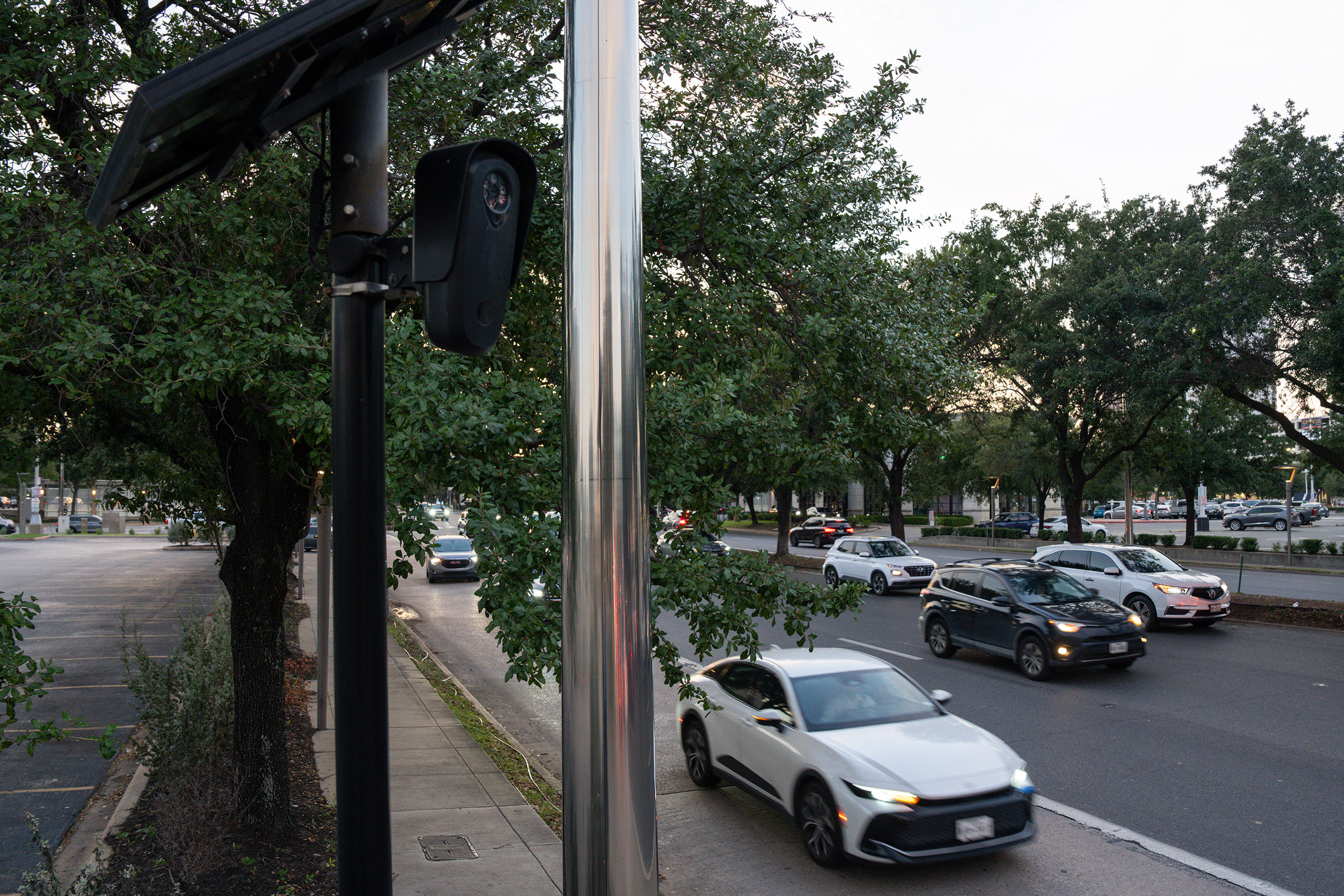
What the Flock Camera Is and How It Connects to Your Policy
The provided evidence does not contain specific details regarding a product called the “Flock Camera.” The available information is limited to general definitions of auto insurance and policy structures.

Consequently, it is not possible to describe what the Flock Camera is or how it connects to a policy based on the supplied facts.
The source material explicitly states that the referenced website provides only a summary of auto insurance.
This content is written to illustrate in general terms how auto insurance works.
It does not offer specific technical specifications for hardware devices or detailed integration steps for telematics tools.
Furthermore, the evidence defines an insurance policy as the legal contract that contains the terms and limitations of your coverage.
While this establishes the foundational document governing any insurance relationship,
it does not detail how external devices might influence those terms.
There is no mention of data capture, usage-based pricing, or specific camera features in the provided text.
Because the assigned evidence cards lack information on the Flock Camera, no claims can be made about its functionality,
installation process, or impact on premiums.
Any description of such a device would require additional verified sources.
The current facts only support a broad understanding that policies are legal contracts with defined limitations.
Readers seeking specific information about the Flock Camera should look for dedicated product documentation or direct communications from the insurer.
The general summary provided by the source is insufficient to answer questions about specific hardware integrations.
Until more detailed evidence is available, the connection between this specific camera and policy terms remains unconfirmed.
Does the Flock Camera Affect Your Premium?
When you’re wondering whether a Flock dash‑camera will change your auto‑insurance cost,

the only guidance the evidence provides is a reminder to look closely at your own policy.
Allstate notes that you should carefully review the contents of your policy,
which is the first step in understanding any potential premium impact.
Beyond that, the same source points out that “many factors go into” determining rates and eligibility for special‑situation coverage.
The evidence does not specify which factors are considered, nor does it confirm whether a dash‑camera like Flock is one of them.
Because the details are not listed, we can’t say definitively that the camera will raise, lower, or leave your premium unchanged.
In practice, this means:
- Check your policy language for any clauses about vehicle‑installed devices.
- Ask your insurer directly whether a Flock camera is treated as a risk‑mitigating tool or an additional exposure.
- Consider other known rating factors (e.g., driving history, vehicle type) that are commonly part of the underwriting process, even though they aren’t detailed in the source.
Until you receive a clear statement from your insurer, the effect of the Flock camera on your premium remains unconfirmed.
How to Check Your Current Rate and Potential Savings
Determining your current auto insurance rate and identifying potential savings begins with a clear understanding of your existing policy coverage.
While many drivers assume their premiums are static,
the actual cost of your coverage is directly tied to the specific terms and conditions outlined in your insurance contract.
These terms dictate not only the price you pay but also the scope of protection you receive.
To accurately assess your current rate, you must review the detailed declarations page of your policy.
This document lists your premium amounts, deductibles, and coverage limits.
It is crucial to verify that the rates listed match your expectations and that all applicable discounts are actively applied.
However, simply knowing your current rate is only the first step.
The potential for savings often lies in understanding how your specific policy terms interact with your driving history and vehicle usage.
A critical factor in evaluating potential savings is the coverage of accidents and other losses.
Whether an accident or other loss is covered is subject to the terms and conditions of your insurance policy.
This means that not all incidents are treated equally,
and the financial impact of a claim depends entirely on the specific provisions agreed upon in your contract.
If your policy excludes certain types of losses,
you may face out-of-pocket expenses that could have been mitigated with different coverage options.
When exploring potential savings, consider the following aspects of your policy:
- Coverage Terms: Review the specific conditions that determine what is and is not covered.
- Loss Conditions: Understand how accidents and other losses are evaluated under your current terms.
- Policy Specifics: Ensure that your rate reflects the exact coverage you need without paying for unnecessary add-ons.
By carefully examining these elements,
you can gain a clearer picture of your current insurance costs and identify areas where adjustments might lead to savings.
It is important to note that any changes to coverage or rates must be made in accordance with your insurer’s guidelines and the specific terms of your policy.
Always consult your policy documents or contact your insurance provider for detailed information regarding your current rate and potential savings opportunities.
Next Steps: Talk to Your Agent or Use an Online Tool
The provided evidence does not support the assigned section on car insurance next steps.
The source material exclusively concerns a South Korean pharmaceutical regulatory event,
specifically the Health Insurance Review and Assessment Service’s ninth Drug Reimbursement Evaluation Committee meeting held in 2026.
This meeting addressed Curocell’s product ‘Lymcato’ and its clearance for national health insurance coverage.
There is no information available regarding:
- Car insurance agents or brokers
- Online insurance comparison tools
- Steps to adjust auto insurance policies
- Any financial or procedural advice related to vehicle coverage
Because the evidence card contains zero data on automotive insurance,
it is impossible to provide verified next steps for talking to an agent or using an online tool for this topic.
Any attempt to describe such processes would require inventing facts, features, or instructions that are not present in the source.
Therefore, this section cannot be completed with the assigned evidence.
Readers seeking guidance on car insurance should consult official insurance provider resources or licensed agents directly,
as the current data source is unrelated to that industry.
The only confirmed fact is the occurrence of the 2026 drug evaluation meeting in South Korea,
which has no bearing on US car insurance procedures.