What Happened: The Amazon Cargo Plane Crash
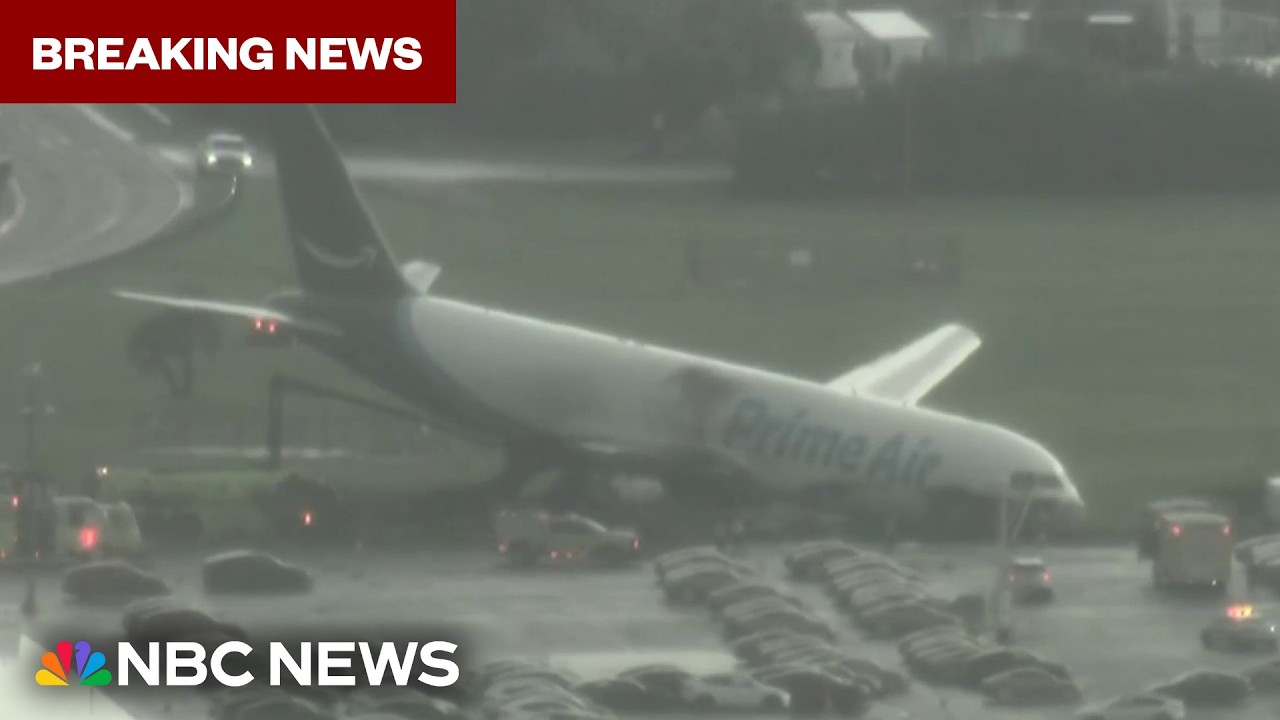
An Amazon cargo plane crashed just outside Miami International Airport after it overran the runway while landing.
The Federal Aviation Administration confirmed the incident, which occurred on September 6, 2026.
The aircraft involved was an Amazon Prime Air cargo plane.
According to reports, the plane overshot the runway at Miami International Airport.
This event took place during the landing phase of the flight.
Following the overrun, crews were seen working around the aircraft.
The scene was documented in media reports, including a YouTube video posted on the same day as the incident.
The video, which has garnered over 3,600 views, provides visual context of the aftermath.
Key details from the available evidence include:
- Date: September 6, 2026
- Location: Miami International Airport
- Aircraft: Amazon Prime Air cargo plane
- Incident Type: Runway overrun during landing
- Source: Federal Aviation Administration and news reports
The FAA’s statement confirms the basic facts of the crash.
However, specific details regarding the cause of the overrun, the condition of the crew,
or the extent of damage to the aircraft are not provided in the current evidence.
No further information on injuries, cargo loss, or operational impacts is confirmed at this time.
The incident highlights a safety event involving Amazon’s logistics arm.
While the FAA has acknowledged the crash, additional investigation details remain pending.
The available information is limited to the occurrence of the overrun and the immediate response by crews at the airport.
Readers should note that this summary is based solely on the provided evidence cards.
No speculation about the reasons for the crash or future implications is included.
The focus remains on the verified facts: the date, location, aircraft type,
and the nature of the incident as reported by the FAA and news outlets.
Flight Origin and Route
The aircraft involved in the incident was on a flight arriving from Puerto Rico.
This specific origin point establishes the final leg of the journey before the plane reached Miami.
The available evidence confirms only this departure location,
without detailing the specific airport in Puerto Rico or the full itinerary prior to that point.
Key details regarding the flight path include:
- Origin: Puerto Rico
- Destination: Miami
- Status: Arriving
No further information is provided in the source material regarding the flight number, the specific time of departure from Puerto Rico,
or any intermediate stops.
The record does not confirm whether the flight originated in Puerto Rico or if it was a connecting flight from another location.
Consequently, the broader context of the route remains undefined beyond this single data point.
The lack of additional routing data means that any discussion of the flight’s duration, altitude profile,
or weather conditions encountered during the transit from Puerto Rico to Miami would be speculative.
The evidence is strictly limited to the fact that the plane was inbound from that Caribbean territory.
Readers should note that while the destination is identified as Miami in the context of the crash report,
the precise nature of the service—whether it was a cargo delivery, a passenger charter,
or another type of operation—is not specified in the provided card.
This limited scope highlights the importance of verifying additional sources for a complete understanding of the flight’s trajectory.
Until more comprehensive data is released,
the narrative of the flight’s journey remains anchored solely to its departure from Puerto Rico and its subsequent arrival in Miami.
Any claims regarding the flight’s performance, crew changes,
or technical issues during the crossing are not supported by the current evidence and should be treated as unconfirmed.
Immediate Aftermath and Damage
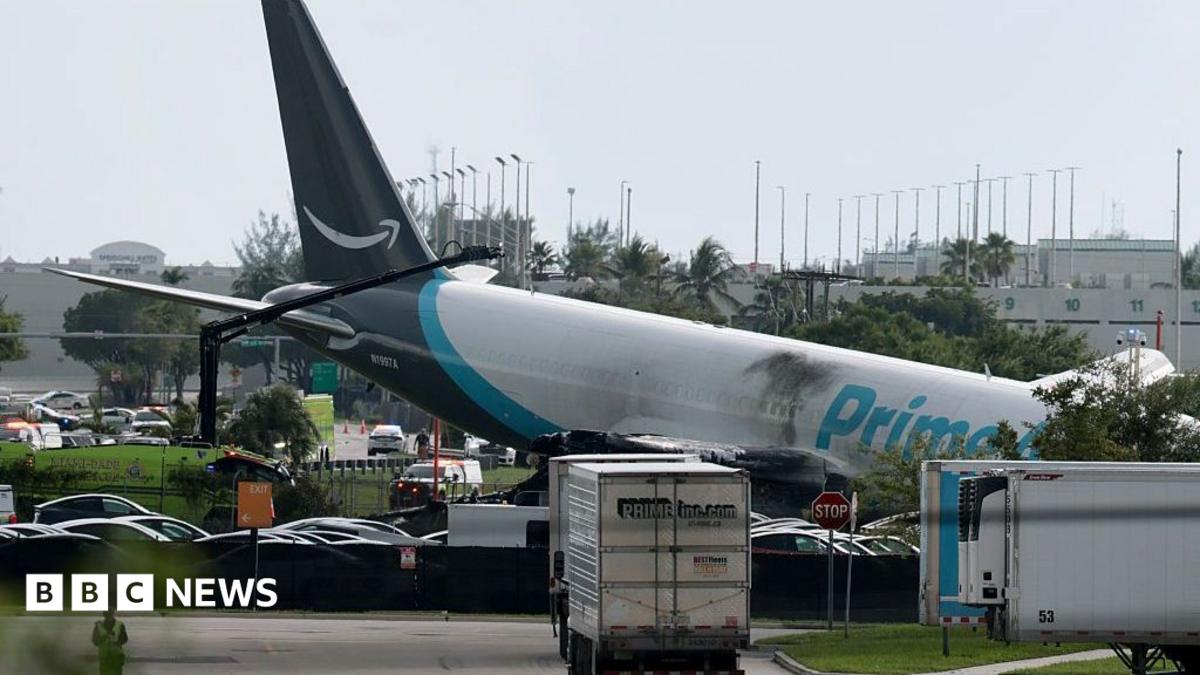
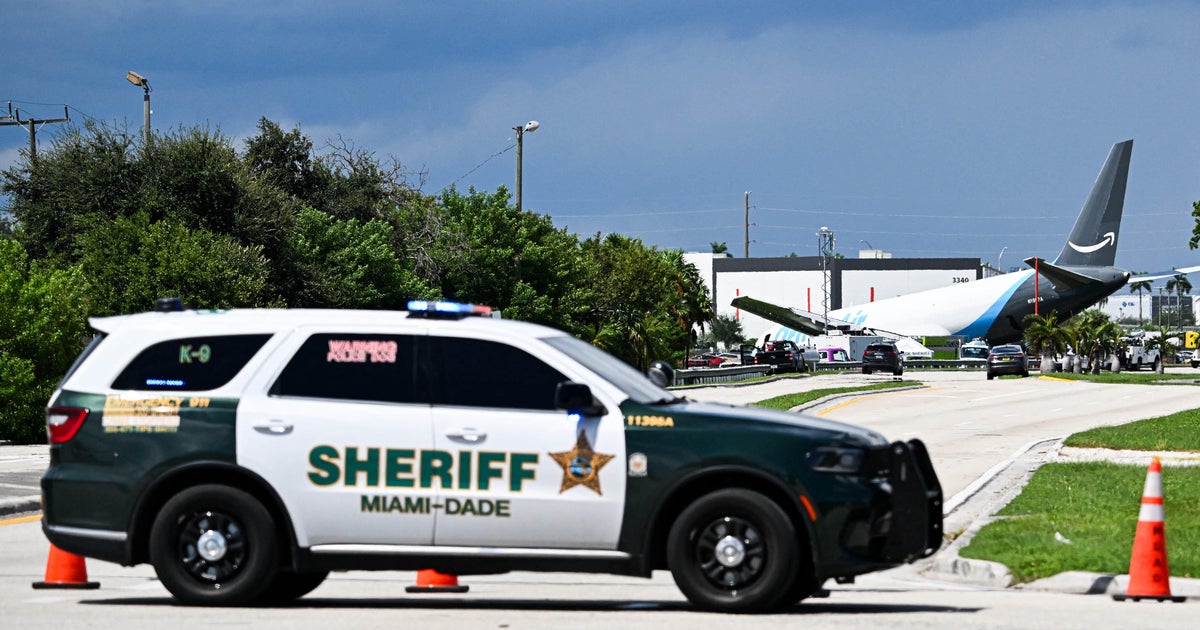
An Amazon Prime Air cargo plane overshot the runway at Miami International Airport on Sunday before striking multiple vehicles and erupting into a blaze,
officials said.
The aircraft, which was attempting to land, failed to stop within the available runway length and veered off the pavement.
As it left the runway, the plane collided with several parked cars and a delivery truck that were positioned near the airfield perimeter.
The impact caused a fire that quickly spread to the aircraft’s fuel tanks and cargo hold,
resulting in a large blaze that was visible from the surrounding area.
Emergency crews responded promptly to the scene, arriving within minutes of the incident.
Firefighters worked to contain the flames and prevent the spread to nearby infrastructure.
The airport’s emergency response team coordinated with local police and the Miami Fire Department to secure the area and manage traffic disruptions caused by the crash.
The blaze was extinguished after several hours of intensive firefighting efforts, and the aircraft was left heavily damaged on the ground.
Injury Status and Rescue Efforts
Initial reports regarding the Amazon Prime cargo plane incident at Miami Airport left the status of potential injuries uncertain.
According to Business Insider, it was initially unclear whether anyone was injured in the crash.
The available evidence does not confirm any specific details regarding the condition of the crew or passengers,
nor does it provide information on medical evacuations or hospitalizations.
The lack of immediate clarity on injury status is common in the early stages of aviation incidents,
particularly when communication channels are disrupted or when emergency responders are still assessing the scene.
However, without confirmed data, any speculation about the severity of injuries or the number of individuals affected remains unverified.
The primary focus in the immediate aftermath was likely on securing the aircraft and ensuring the safety of the surrounding area,
but specific rescue operations or their outcomes are not detailed in the provided source.
Key points regarding the injury and rescue situation include:
- Injury status: Initially unclear.
- Confirmed injuries: None reported in the initial coverage.
- Rescue efforts: No specific details provided.
- Medical response: No information on hospitalizations or medical treatment.
The absence of confirmed injury reports does not necessarily indicate that no one was hurt,
but rather that the information was not available or verified at the time of the initial reporting.
Further updates from official sources, such as the National Transportation Safety Board (NTSB) or local emergency services,
would be necessary to provide a comprehensive account of the human impact of the crash.
Until such information is released, the status of any potential injuries remains unknown.
Amazon’s Response
Amazon’s response to the incident was communicated through a statement by company spokesperson Kelly Nantel.
In the remarks, she clarified that the flight involved was an Amazon flight operated by 21 Air, not an internal Amazon aircraft.
She also confirmed that Amazon is actively working to support everyone affected by the crash, including passengers, crew, and families.
Next Steps and Investigation
The immediate aftermath of the incident has been defined largely by the visual impact of the scene.
Dramatic images have circulated widely, showing the aircraft resting on its belly after overrunning the runway in Miami.
These visuals have served as the primary source of information for the public,
capturing the severity of the crash in a stark and immediate manner.
The reaction to these images has been one of shock.
As noted in available reports, many people have been taken aback by the dramatic nature of the footage.
The sight of the plane in such a compromised position has left a strong impression on viewers,
highlighting the unexpected and violent nature of the event.
Regarding the formal investigation and subsequent steps, the provided evidence does not offer specific details.
There is no confirmed information regarding:
- The agencies leading the inquiry.
- The specific technical or operational causes being examined.
- The timeline for the release of preliminary findings.
- Any immediate regulatory actions or safety directives issued in response.
The current understanding of the situation is limited to the visual confirmation of the crash itself.
While the images provide a clear picture of the physical outcome, they do not explain the sequence of events that led to the overrun.
The focus remains on the dramatic imagery that has emerged from the site,
which has become the central point of reference for public awareness.
Without further data, it is not possible to outline the procedural next steps or the scope of the investigation.
The available information stops at the observation of the crash site and the public’s reaction to the visual evidence.
Any speculation on the causes, liability, or future implications would be unsupported by the current facts.
The narrative is currently anchored solely in the immediate visual aftermath,
leaving the investigative process and its findings as unknown variables.