Anak Krakatau Eruption Halts Jakarta Flights
Indonesia’s Anak Krakatau volcano erupted early Sunday, sending volcanic ash drifting across parts of western Indonesia.
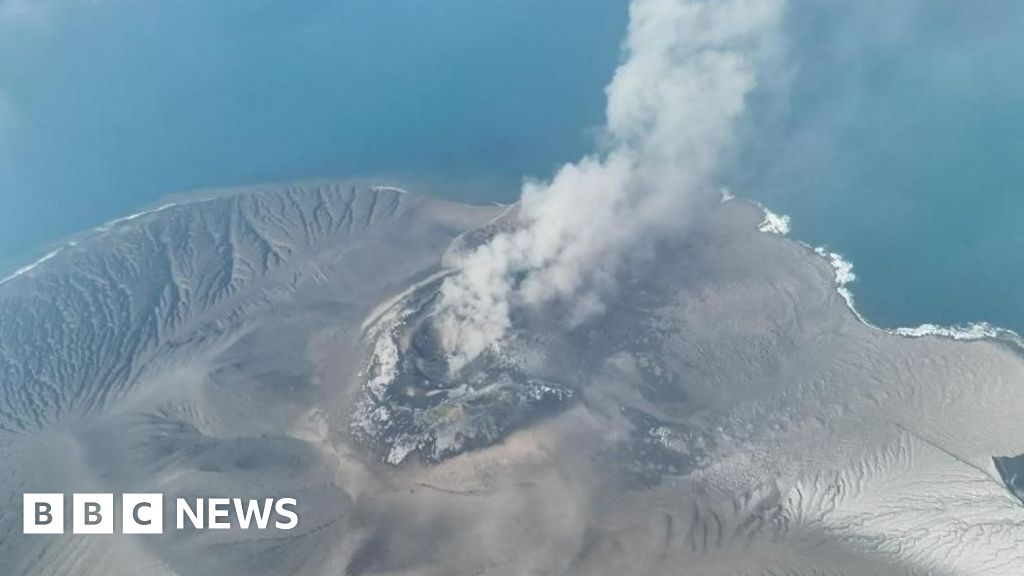
The activity prompted the cancellation of all flights at Jakarta’s Soekarno-Hatta International Airport.
This disruption stranded thousands of travelers and halted hundreds of scheduled departures and arrivals.
The Geological Agency of Indonesia reported that the volcanic island showed signs of activity on Saturday.
Located in the Sunda Strait between the main islands of Java and Sumatra, the volcano erupted for 30 seconds at 3:53 a. m. on Sunday.
The agency’s monitoring confirmed the specific timing and duration of this initial burst of activity.
The immediate consequence was a total shutdown of air traffic at the capital’s primary international gateway.
With ash clouds moving over the region, authorities canceled all operations to ensure safety.
The evidence provided does not specify the exact number of flights canceled or the precise count of stranded passengers,
though broader context suggests a significant scale of disruption.
Key confirmed facts include:
- The eruption occurred early Sunday morning.
- All flights at Soekarno-Hatta International Airport were canceled.
- Volcanic ash drifted across parts of western Indonesia.
- The Geological Agency noted activity signs on Saturday.
- The specific eruption lasted 30 seconds at 3:53 a.m.
No further details regarding the long-term impact on regional travel or the specific altitude of the ash cloud are confirmed in the supplied evidence.
The situation remains defined by the immediate halt to aviation services in Jakarta due to the volcanic event.
Ash Cloud Spread Across Jakarta and Lampung
Volcanic ash from Anak Krakatau has drifted over parts of Jakarta and the Lampung province on Sumatra’s southern tip,
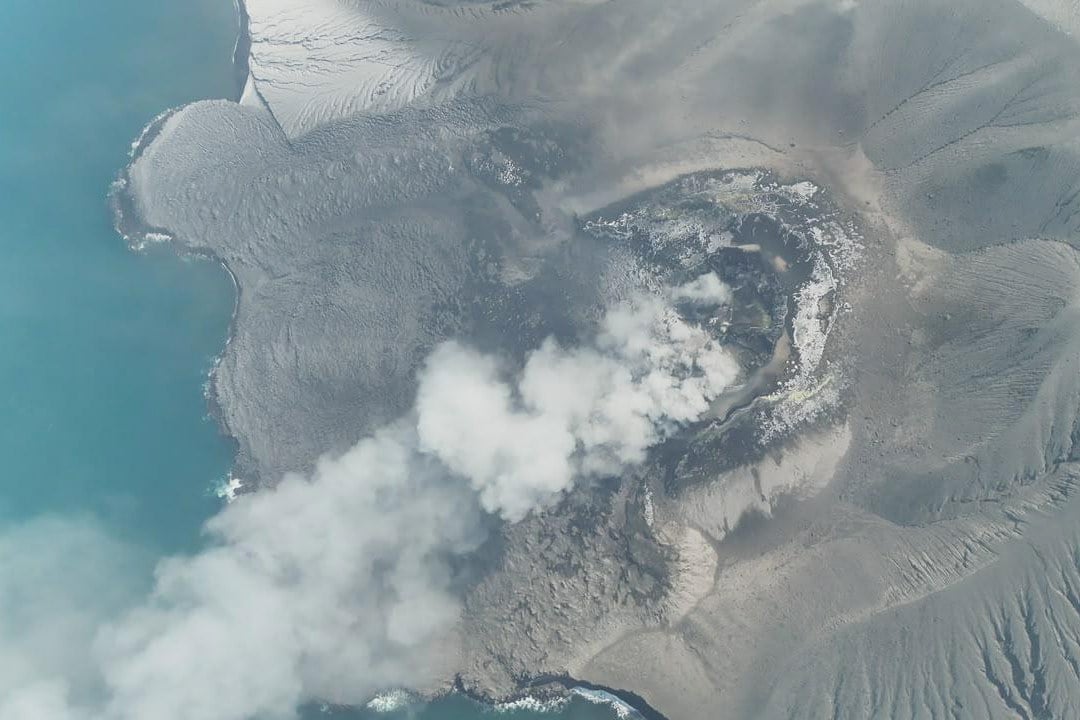
according to Indonesia’s Center for Volcanology and Geological Hazard Mitigation.
The ash began blanketing the capital and surrounding areas after the volcano’s initial eruption late Friday,
and it continued to spread on Tuesday.
The plume’s reach into Jakarta means residents in the city’s western districts have reported reduced visibility and a thin layer of ash on surfaces.
In Lampung, the ash has settled on coastal communities, prompting local authorities to advise caution for outdoor activities.
Key points confirmed by the available sources:
- The ash originated from Anak Krakatau, which sits roughly halfway between Java and Sumatra.
- The spread was observed across Jakarta and some surrounding areas, as well as parts of Lampung province.
- The timeline starts with the eruption late Friday and continues through Tuesday.
No additional details about health impacts, flight disruptions, or cleanup efforts are provided in the cited evidence.
Safety Zone and Visitor Alerts
The agency has established a mandatory safety perimeter around the volcano’s active crater.
Residents and visitors are instructed to remain at least 3 kilometers (about 1.
9 miles) away from the summit to reduce the risk of injury from sudden eruptions, ashfall, or lava flows.
In addition to the exclusion zone, authorities are actively monitoring the volcano’s behavior.
A technician stationed at an observation post in Pasauran, Banten province, is recording seismic readings from the ongoing eruption.
These measurements help officials assess the volcano’s activity level and determine whether the safety zone needs to be adjusted.
Key points for anyone in the area:
- Minimum distance: 3 km (1.9 mi) from the crater at all times.
- Monitoring location: Pasauran observation post, Banten province.
- Purpose of monitoring: Collect seismic data to track eruption dynamics and inform safety decisions.
Visitors who ignore the distance requirement may be subject to enforcement actions,
and the zone can be expanded if seismic activity intensifies.
Travelers should stay updated through local alerts and heed any additional instructions from emergency services.
When Flights Might Resume
At I Gusti Ngurah Rai International Airport in Bali, Indonesia,
a Flight Information Display System (FIDS) board showed multiple flights marked as “Cancel Due to Volcano” on September 7, 2026.
This specific display confirms that volcanic activity directly impacted scheduled operations at the airport on that date.
The evidence provided does not include a confirmed timeline for when these specific flights were expected to resume,
nor does it detail the duration of the suspension or the specific criteria used by authorities to clear the airspace for return.
The available information is limited to the observation of the cancellation status on the display board.
It does not specify which airlines were affected, the number of total flights canceled,
or the exact altitude of the ash cloud that triggered the cancellations.
Consequently, there is no verified data to indicate whether the cancellations were temporary or part of a longer-term operational halt.
Readers should note that the resumption of flights depends on real-time assessments of air safety,
which are not detailed in the current evidence card.
Without additional reports on air traffic control decisions or volcanic monitoring updates,
the precise date and time for the return of normal service remain unconfirmed.
The primary fact established is the operational disruption present on September 7, 2026,
as evidenced by the airport’s public display system.
Any speculation regarding immediate recovery or specific resumption schedules would be unsupported by the provided source material.
The focus remains on the documented cancellation status rather than projected future operations.