Immigration Enforcement: Why Former Trump Enforcer Calls the Current Administration Soft
The debate over the pace and intensity of current immigration policies has drawn sharp criticism from within the ranks of former administration officials.
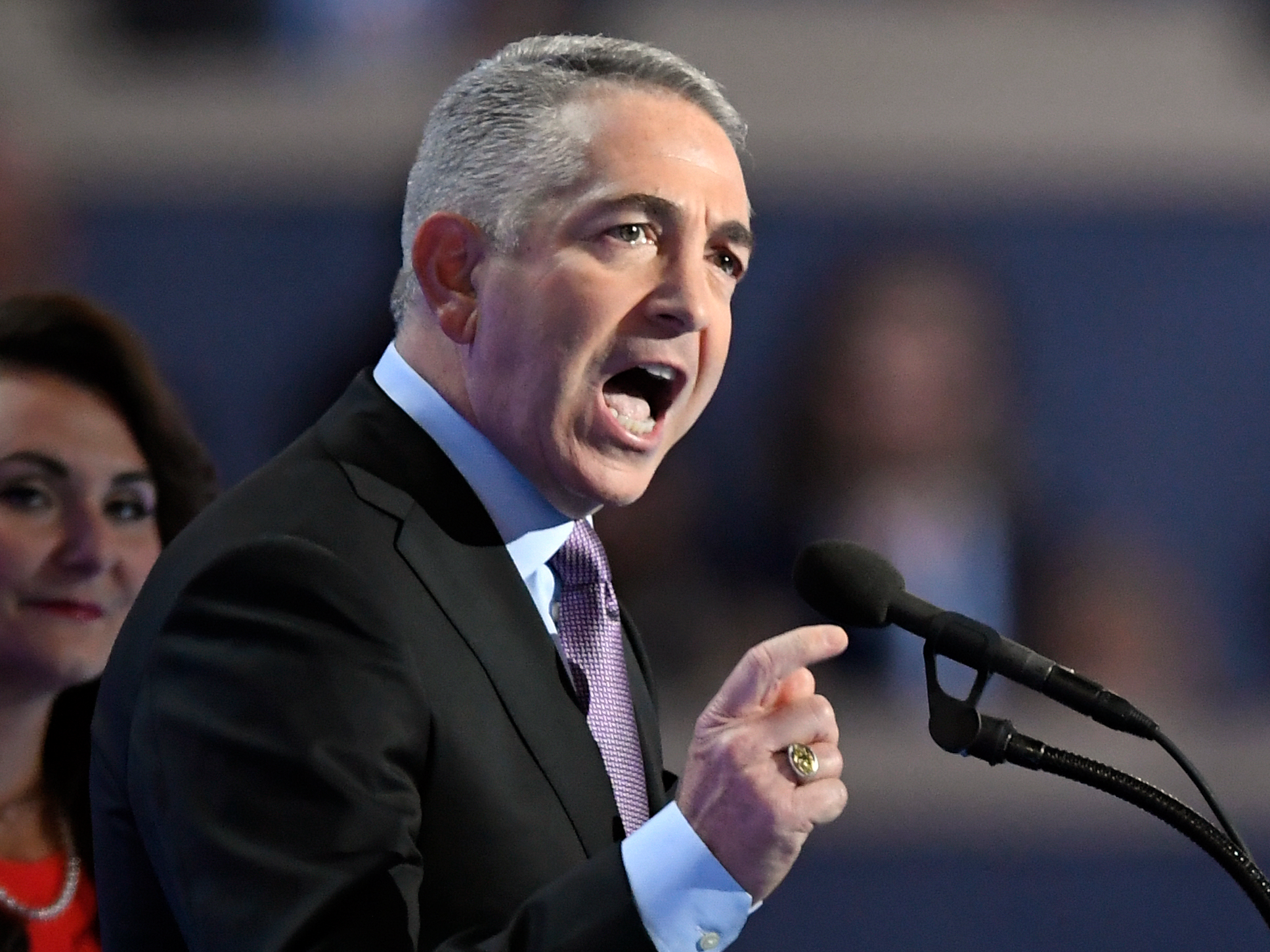
Greg Bovino, who served as a key immigration enforcer during the Trump presidency,
has publicly stated that the current administration is not being tough enough on border issues.
His comments highlight a growing divide among immigration restrictionists regarding the effectiveness of present-day enforcement strategies.
Bovino’s assessment suggests that despite ongoing efforts,
the current approach is perceived as lagging behind the aggressive measures implemented in previous years.
This perspective is not isolated;
it reflects a broader sentiment among some hardline advocates who believe that stricter controls are necessary to address immigration challenges.
The criticism underscores the ideological tensions that continue to shape the national conversation on border security and deportation protocols.
Key points from Bovino’s critique include:
- Perceived Lag: The administration is viewed as falling short in its enforcement efforts compared to prior standards.
- Internal Dissent: Former officials like Bovino are vocal about their dissatisfaction with the current pace of action.
- Ideological Divide: The comments illustrate the ongoing friction between different factions within the immigration restrictionist community.
It is important to note that specific details regarding the exact policies Bovino finds lacking,
or the particular metrics he uses to define “lagging, ” are not explicitly detailed in the available evidence.
The focus remains on his general characterization of the administration’s stance as insufficiently rigorous.
Without further data on specific operational changes or statistical comparisons,
the extent of this perceived shortfall remains a matter of political opinion rather than quantifiable fact.
The commentary serves as a signal of internal party dynamics rather than a comprehensive policy analysis.
Trump’s Post‑War Middle East Blueprint: Aligning Allies and Expanding the Abraham Accords
The Trump administration is currently drafting a comprehensive strategy for the post-war Middle East.
According to a report by Axios on September 4, 2026, the plan centers on three primary objectives.
These goals aim to reshape regional dynamics following the October 7, 2023, Hamas attacks.
The first pillar of the proposed strategy focuses on creating a stronger regional alignment among United States allies.
The stated purpose of this alignment is to contain Iran’s influence and activities within the region.
By coordinating efforts among allied nations, the administration seeks to establish a more unified front against Iranian expansion.
The second key component involves expanding the Abraham Accords.
The draft strategy specifically targets the inclusion of Saudi Arabia in this normalization framework.
This expansion would broaden the existing network of diplomatic and economic ties between Israel and Arab states,
potentially altering the geopolitical landscape significantly.
The third objective is to bring the regional fallout from the October 7 attacks closer to a conclusion.
The strategy aims to address the lingering consequences of the conflict,
seeking a path toward stability and resolution in the aftermath of the violence.
These details were reported by Axios, citing two US officials and two other sources with knowledge of the process.
The report originated from Erbil, as covered by Kurdistan 24.
No further specifics regarding the timeline, implementation steps, or reactions from other nations were provided in the available evidence.
The focus remains strictly on the drafting phase and the high-level goals identified by the cited sources.
Federal Workforce Shake‑Up: The Rise and Fall of Schedule F
Schedule F originated as an executive order proposed in October 2020.

This initiative aimed to reclassify certain federal employees,
moving thousands of workers into a new category designed to alter their employment protections.
The policy represented a significant shift in how the federal workforce was managed during that administration.
The trajectory of Schedule F changed with the transition of power.
During the Biden administration, the executive order establishing Schedule F was rescinded.
This action effectively dismantled the framework that had been put in place previously.
The removal of the order marked the end of the specific reclassification effort for those federal employees.
Key facts regarding the policy include:
- Proposal Date: October 2020
- Action: Executive order proposed to move thousands of federal employees into Schedule F
- Outcome: Rescinded during the Biden administration
The available evidence confirms the initial proposal and its subsequent rescission.
It does not provide details on the specific number of employees affected, the exact criteria for reclassification,
or the legal challenges that may have accompanied these actions.
Furthermore, there is no information in the provided records regarding any reinstatement or modification of Schedule F after its rescission.
The focus remains strictly on the creation and cancellation of the order within the specified timeframe.
Readers should note that the scope of this summary is limited to the confirmed actions of proposing and rescinding the order.
No further developments, such as court rulings or subsequent executive actions, are included in this account.
The narrative stops at the point where the Biden administration reversed the previous policy.
This leaves the long-term impact and any future attempts to revive similar measures outside the bounds of the current evidence.
Local Governance Spotlight: ‘Energetic Administration’ Revitalizes Citizen Services in Changwon
The Changwon Metropolitan City has introduced an initiative labeled “Energetic Administration” as part of its broader efforts to improve organizational culture.
This specific program involves a structural shift in how local administrative services are delivered to residents.
Key components of this change include:
- Transitioning from traditional “Ruling Dong Head Offices” to new “Citizen Counseling Rooms.”
- Reorienting administrative focus toward direct citizen engagement.
The available evidence confirms the existence of this initiative and its primary structural change.
The move from head offices to counseling rooms suggests a deliberate effort to make administrative services more accessible and less bureaucratic.
By renaming and repositioning these facilities,
the city aims to foster a more dynamic and responsive interaction between government officials and the public.
However, the provided facts do not detail the specific operational procedures within these new counseling rooms.
There is no information regarding the number of rooms established, the specific services offered, or the staffing models employed.
Furthermore, the evidence does not provide data on citizen satisfaction, processing times,
or any measurable outcomes resulting from this transition.
The term “Energetic Administration” appears to be the official branding for this cultural and structural overhaul,
but the precise metrics for success or the timeline for full implementation are not specified in the source material.
The initiative represents a notable shift in local governance strategy for Changwon.
By physically and conceptually moving away from the traditional “head office” model,
the city is signaling a priority on direct citizen service.
The renaming to “Citizen Counseling Rooms” implies a more consultative and supportive role for administrative staff.
While the structural change is clear, the practical impact and daily operations remain undefined in the current evidence.
Readers should note that while the framework for this “Energetic Administration” is established,
the granular details of its execution and effectiveness are not yet confirmed by the available data.
This leaves the actual experience of citizens using these new services as an open variable.