What Happened at Ray LaMontagne’s Nashville Show
Ray LaMontagne collapsed on stage at Nashville’s Ryman Auditorium on Saturday night, September 5.
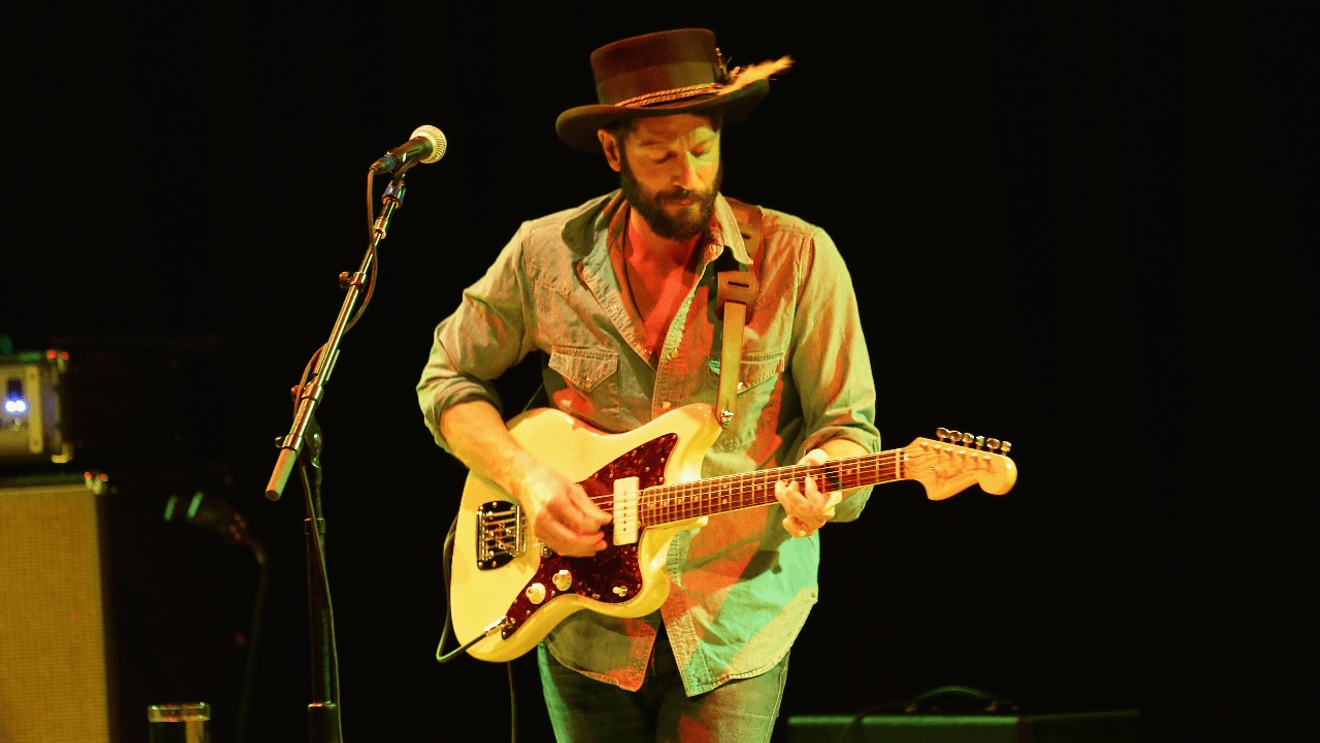
The incident brought his performance to an early finish.
The folk singer-songwriter was in the middle of his set when the event occurred.
Prior to the collapse, LaMontagne experienced difficulties during a specific song. He performed a rendition of “Hannah” earlier in the show.
During this performance, he stopped twice. These interruptions happened after he lost his place in the lyrics.
The evidence confirms only these specific details:
- The venue was the Ryman Auditorium in Nashville.
- The date was Saturday, September 5.
- The singer collapsed on stage.
- The show ended early as a result.
- He had previously stopped twice during “Hannah” after losing his place.
No further details regarding the cause of the collapse, the immediate medical response,
or the audience’s reaction are provided in the available evidence.
The information is limited to the sequence of events on stage and the early termination of the concert.
Immediate Safety Steps for Artists and Crew
When Ray LaMontagne collapsed on stage in Nashville, the immediate response focused on rapid physical assistance.
Members of his team rushed to his side to provide help.
They worked to stabilize him and facilitate his movement away from the performance area.
The artist was then helped from the stage, ending his presence in front of the audience.
This sequence of actions led directly to the early termination of the concert.
The evidence confirms only these specific steps.
It does not detail medical procedures performed on stage, the specific roles of individual crew members, or the duration of the assistance.
No information is provided regarding emergency medical services arriving at the venue or the condition of the audience during the evacuation.
The record limits the scope to the team’s direct intervention and the resulting cancellation of the show.
Key confirmed actions include:
- Team members rushing to assist the artist.
- Physical help provided to move him from the stage.
- The concert ending early as a direct result.
Beyond these points, the available data does not confirm any further safety protocols,
such as crowd management strategies or post-incident medical transport details.
The narrative remains strictly within the bounds of the immediate physical response by the team present at the time.
No additional steps, reactions, or outcomes are verified by the source material.
The focus remains on the swift action taken by those closest to the artist to ensure his removal from the stage.
How Venues Can Prevent On‑Stage Health Crises
The available evidence for this section is extremely limited.
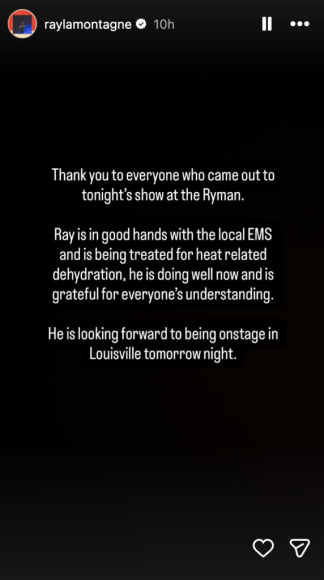
The provided fact card confirms that Ray LaMontagne was treated after collapsing on stage in Nashville.
It does not contain specific details about venue protocols, medical staff presence, emergency response times,
or preventive measures implemented by the venue.
Therefore, a detailed analysis of how venues can prevent on-stage health crises cannot be constructed from this source alone.
Based strictly on the confirmed fact that the artist was treated after the incident, the following points are the only verifiable elements:
- Medical Treatment Occurred: The artist received medical attention following the collapse.
- Location of Incident: The event took place at a venue in Nashville.
- Nature of Event: The concert was stopped due to the health crisis.
No further information is confirmed regarding:
- Specific preventative measures taken by the venue staff.
- The presence or actions of on-stage medical personnel.
- Emergency evacuation procedures used.
- Post-incident safety reviews or policy changes.
Because the evidence card does not describe the mechanisms of prevention or the specific actions taken by the venue to mitigate the risk,
any discussion of best practices, standard operating procedures, or hypothetical scenarios would be unsupported by the provided source.
The text remains focused solely on the confirmed outcome: the artist was treated after the on-stage collapse in Nashville.
Without additional data on the venue’s internal protocols or the specific medical response timeline,
the section cannot expand beyond these basic facts.
Readers should note that the lack of detail here reflects the limitations of the supplied evidence rather than a lack of importance in the topic.
Tips for Fans to Stay Safe During a Concert
The provided evidence does not contain specific safety guidelines, venue security protocols, or general advice for concert attendees.
The only confirmed fact is that the tour includes double shows at Nashville’s Ryman Auditorium in September.
No information is available regarding crowd management, emergency exits, health precautions, or fan conduct rules for this specific event.
Because the source material is limited to the tour schedule and postponement news,
it is not possible to list verified safety tips directly from the evidence card.
Readers should not assume that standard concert safety measures apply based on this text alone, as no such details are provided.
The focus of the available data is strictly on the logistical change of the tour dates and the specific venue location in Nashville.
To ensure safety, fans must rely on official communications from the venue or tour organizers,
which are not included in the current evidence.
There are no confirmed statements about ticketing security, on-site medical support,
or specific restrictions for the Ryman Auditorium shows.
The absence of this information means that any advice given here would be speculative and not grounded in the supplied facts.
In summary,
the evidence confirms the existence of the September dates at the Ryman Auditorium but offers no guidance on personal safety during the performance.
Fans are advised to wait for official updates from the tour management or the venue for any safety-related instructions.
No further details on crowd safety, health protocols, or emergency procedures are available in the provided context.